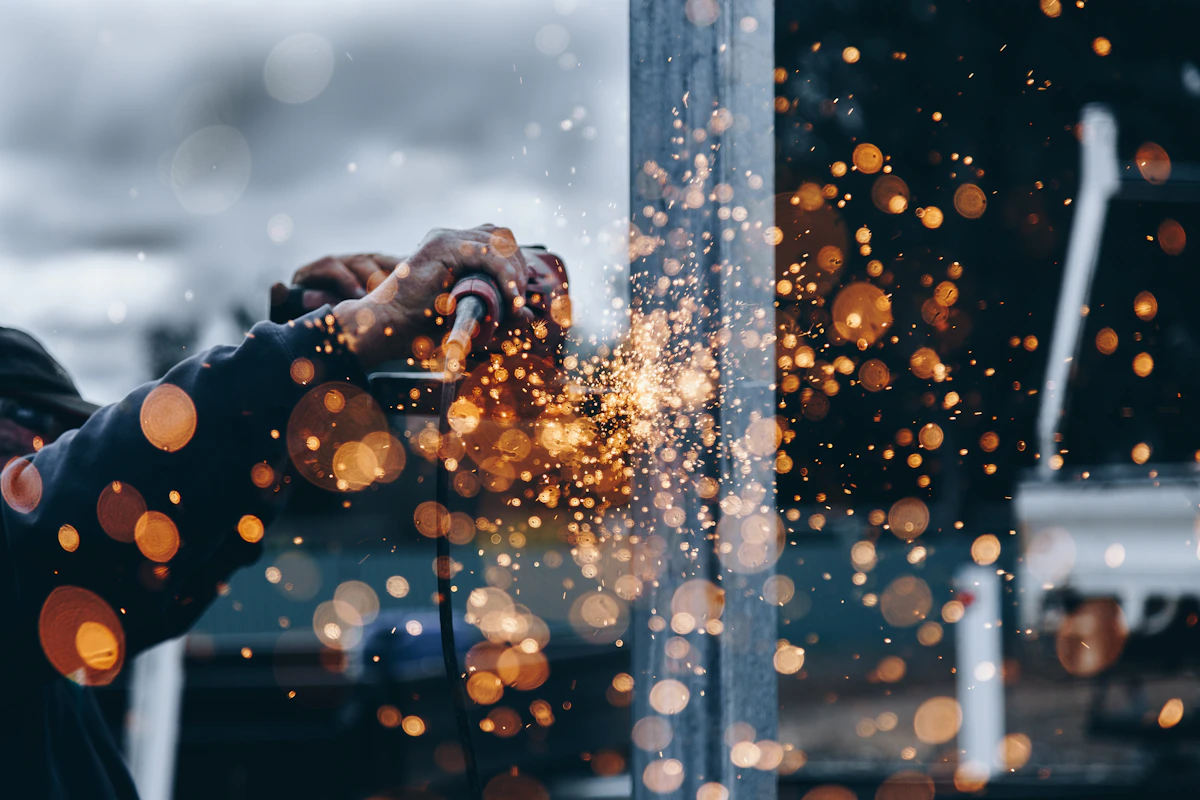
A mobile welder in Charlotte can perform on-site repairs for trailers, gates, railings, and other metalwork with practical preparation and safety steps.
A mobile welder can save time and lower disruption by coming to your home, job site, or business in the Charlotte area to fix trailers, gates, railings, and other metalwork. Before you request service, it helps to understand what a mobile welder can realistically do on site, what preparations often make jobs smoother, and the tradeoffs between on-site repairs and shop work.
When a mobile welder is the right call
Mobile welding fits jobs where moving the item would be difficult, unsafe, or costly. Common examples include trailer frame cracks, broken gate hinges, stair and railing repairs, damaged trailer tongues, and bent trailer bunks. However, each situation needs inspection to confirm safety and next steps.
Typical on-site tasks
- Trailer frame and tongue repairs, such as welded cracks or replacing sections of channel
- Gate hinge and latch repairs or reinforcement
- Handrail and stair stringer welding and reattachment
- Light fabrication for brackets, mounts, and small replacement parts
- Temporary or permanent field fixes to make equipment safe to move to a shop
What to expect from a mobile welder visit
A typical mobile welding visit includes an initial assessment, a plan for the repair, and equipment setup. The welder will evaluate material thickness, the type of metal, accessibility, and safety concerns. Because conditions vary, a clear quote often follows inspection rather than a firm price given over the phone.
Tools and equipment commonly used
- MIG and stick welders for steel repairs — common on most mobile units
- TIG or spool-gun setups for aluminum when needed; in addition, aluminum repairs on site may be limited
- Portable power generation or access to site power
- Grinding and cutting tools, clamps, jigs, and flame watchers for fire safety
- Basic fabrication tools: drill, saws, measuring tools, and replacement hardware
How to prepare before a mobile welding appointment
Preparing the work area and providing clear information speeds up service and reduces surprises. Here are practical steps property owners and managers can take before the technician arrives.
- Provide clear photos showing the damage and a wide shot of the location. For example, photos of the trailer VIN plate, gate hinges, or adjacent structure are helpful.
- Clear access and safe parking. Next, make sure there is a flat place to park the service vehicle and room to pull a trailer or set up tools.
- Identify materials when you can. If you know the metal is aluminum, stainless, or mild steel, mention that because different metals need different welding processes.
- Move combustible materials away from the work area and, if possible, secure pets and bystanders. In addition, on-site welding produces sparks and requires a fire watch.
- Tell the welder about load-bearing concerns or inspections that may be required by an engineer or local code official. Major structural repairs may require signed plans or permits.
Materials, limitations, and safety considerations
Material type matters. Mild steel is the most straightforward to weld on site. Aluminum and stainless require more care and sometimes specialized equipment. Therefore, large or thin aluminum components are frequently better handled in a shop.
Corroded or unknown alloys complicate welding and can affect safety and longevity. Some repairs affect structural integrity. As a result, if a trailer frame, support beam, or stair stringer is damaged, an engineer’s evaluation may be appropriate for load-bearing elements — particularly in commercial or multi-family settings. In addition, a mobile welder will not claim a repair is code-compliant without the necessary documentation or inspector approval.
Safety measures to expect:
- Fire watch and removal of combustibles
- Proper personal protective equipment and ventilation
- Use of jacks, stands, and shims when working under trailers or vehicles
- Isolation of fuel tanks, batteries, and sensitive electronics
On-site repair vs. shop work: tradeoffs
Choosing on-site repair or bringing a part to a shop depends on complexity, equipment needs, and cost. On-site advantages include faster return to service, no towing, and convenience for large immovable items. Meanwhile, shop advantages include a controlled environment for higher-precision work, full-size equipment, overhead cranes, and better conditions for aluminum or high-tolerance fabrication.
For example, a cracked trailer tongue that’s accessible and has straightforward damage might be repaired on site. Conversely, a warped frame or a repair that needs post-heat treatment would normally be handled in a shop.
How pricing and quotes commonly work
Many mobile welding jobs are quoted after inspection. Factors that affect price include travel time, material costs, difficulty of access, welding time, and any necessary fabrication. Therefore, be wary of fixed-price claims made without an inspection — on-site variables influence labor and materials.
Questions to ask when you call
- What experience do you have with this type of repair (trailers, gates, railings)?
- Do you need photos or measurements before scheduling? If so, what specifically?
- Will the repair affect load-bearing components or require an engineer or permit?
- What safety steps should I take before your arrival?
Conclusion
If you’re dealing with a damaged trailer, gate, railing, or small structural metal repair in the Charlotte area, a mobile welder can often get you back in service with less hassle than moving heavy items. Take photos, clear access, and be ready to discuss material type and load-bearing concerns. Remember that many repairs require inspection to confirm safety and may need shop work or engineering input for complex structural issues.
Contact CLT Mobile Weld Repair
If you have photos or details about the damaged part, gather them before calling. That helps the technician give a realistic plan for on-site work or advise if shop work is the safer option.
