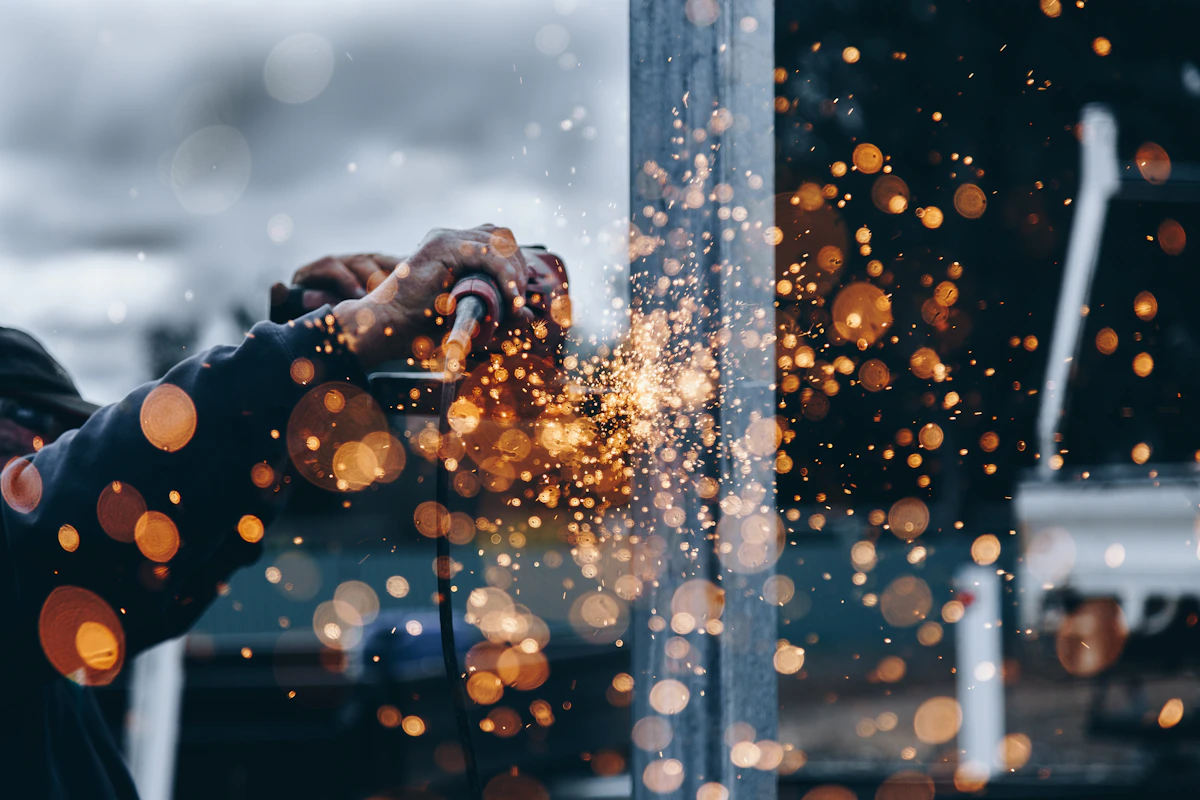
Practical on-site welding guidance for Charlotte gates, trailers, railings, and other common metal repairs.
When you need fast answers about repairs, mobile welding services bring the workshop to your site. CLT Mobile Weld Repair serves Charlotte, North Carolina and surrounding areas with on-site welding for gates, trailers, railings, and light structural metalwork. This article explains what mobile welding crews do, what to expect, and how to prepare so a visit is productive.
Mobile welding services: what to expect on-site
Mobile welding teams arrive with truck- or trailer-mounted setups so most work happens where the metal already is. Commonly you'll see:
- Repairs on gates, hinges, and fence posts.
- Trailer frame and tongue repairs, and fabrication of mounting points.
- Handrail and balcony bracket welding.
- Small structural patching where load-bearing requirements are controlled and an inspection has cleared the scope.
Every job starts with an inspection. A technician will assess access, metal type and thickness, existing fasteners, and whether grinding, cutting, or temporary supports are needed. We cannot promise a fix until that inspection is complete, and some repairs may require engineering approval or a shop visit for safe, code-compliant work.
Common projects and realistic examples
Here are common mobile jobs and clear examples of what to expect:
- Gate hinge replacement — Example: replacing a corroded hinge pin and reattaching the hinge leaf. Often done on-site if mounting posts are sound.
- Trailer frame crack repair — Example: stop-drilling a crack, grinding to clean metal, and welding a reinforcing plate. If the crack is in a primary towing member, an engineering review may be recommended.
- Railing repair — Example: re-welding a detached baluster or fabricating a splice. If the railing is part of an exit path, local code or inspection may apply.
Materials, equipment, and methods
Mobile welders commonly work with mild steel, stainless steel, and aluminum. Each metal requires different filler material, heat control, and joint preparation.
- Mild steel: the most common; MIG and stick welding are frequent choices for quick field work.
- Stainless steel: needs clean surfaces and appropriate filler to avoid contamination.
- Aluminum: requires low-oxygen handling, often TIG or MIG with proper shielding gas, and is more sensitive to distortion.
Truck-mounted welding units provide power, shielding gas, and basic fabrication tools. For heavier structural work, a shop with larger machines or lifting gear may be necessary.
Tradeoffs: on-site welding versus shop repairs
On-site welding keeps downtime low and avoids moving heavy equipment. However, it may limit torch angles and access to heavy-duty equipment. Meanwhile, shop repairs offer better climate control, jigs for alignment, and larger welding machines — but you will need to arrange transport.
Preparing for a mobile welding visit
Preparing the worksite speeds repairs and reduces surprises. Before the technician arrives:
- Take clear photos from multiple angles and send them with measurements if possible.
- Clear the area of debris and provide safe parking for a service truck.
- Identify power access if you need grinding or electric tools; many units are self-powered, but extra power can help for lights or heaters in winter.
- Note whether adjacent surfaces (wood, finish, glass) need protection from sparks.
Providing photos and dimensions ahead of time lets the technician bring appropriate filler wire, rods, and hardware. If the piece may be load-bearing, mention that so the tech can discuss whether an engineer or building inspector should be involved.
Safety, structural limits, and permits
Welding generates heat, smoke, and sparks. A competent mobile welder follows fire-watch procedures, uses proper PPE, and protects nearby materials. For projects affecting structural integrity — such as primary supports, beams, or critical trailer members — an on-site evaluation determines whether temporary supports, non-destructive testing, or engineered repairs are required.
Permits or third-party inspections may be needed for certain building work. CLT Mobile Weld Repair can identify when those conditions exist, but we do not issue permits or certify engineered compliance ourselves.
How quotes and pricing work
Most estimates for mobile welding combine labor, travel, materials, and any needed hardware. Because access and condition vary, a definitive price often requires an on-site estimate. Expect transparent explanations of what is included and what might change if hidden damage is found.
When to call CLT Mobile Weld Repair
Contact us when you have damaged gates, a trailer needing attention, railings with loose connections, or metalwork that is unsafe or limiting operations. If you are unsure whether an item is repairable on-site, a quick photo and description let us advise whether an on-site visit is the next step.
Contact CLT Mobile Weld Repair
Conclusion
Mobile welding services provide practical, on-site solutions for many metal repairs common to homes, yards, and businesses in Charlotte. A successful visit depends on clear communication and reasonable expectations about what can be done on-site versus in-shop. Therefore, share photos and measurements before your appointment, and expect a technician to inspect the item before any firm promises or final pricing are made.
