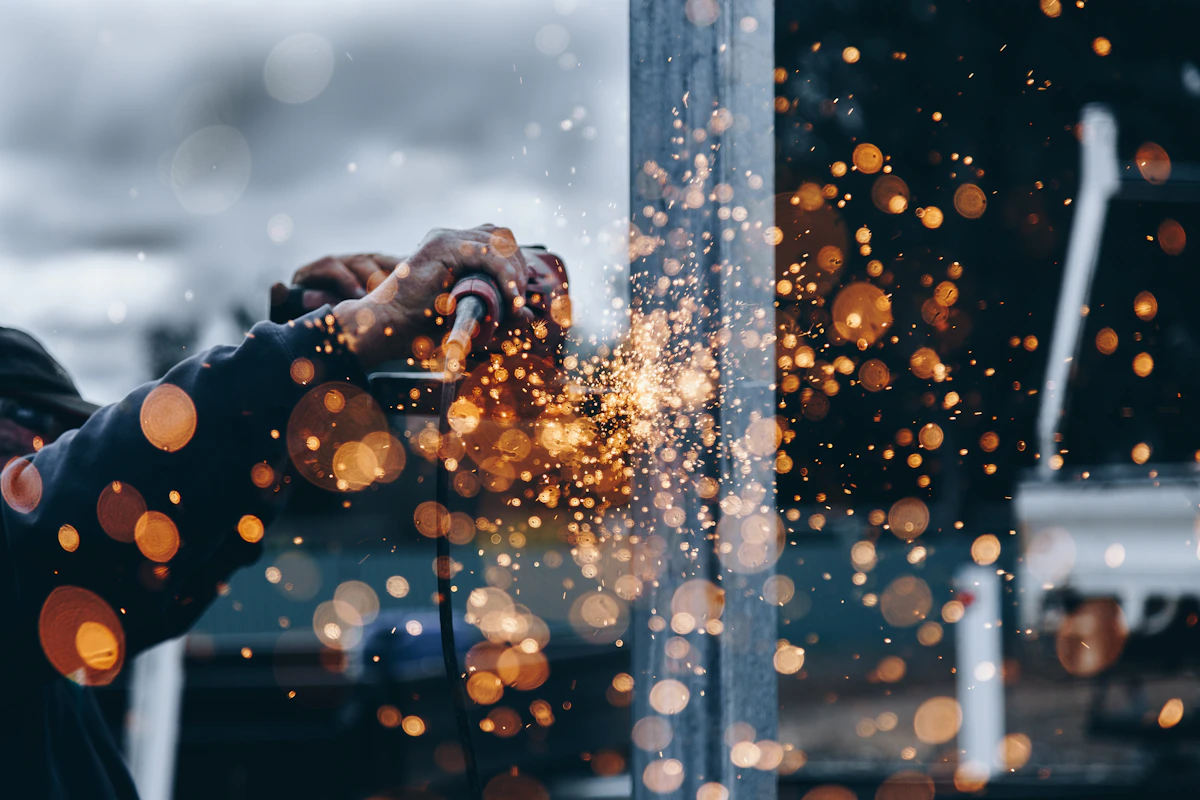
A practical guide to on-site welding, site preparation, materials, safety, and common repairs for Charlotte-area customers.
When you search for mobile welding services near me, you want clear answers: what can be repaired on site, how to prepare, and what to expect from a mobile welder serving Charlotte and nearby areas. This guide explains common repairs, materials, safety considerations, and realistic tradeoffs so you can decide when to contact CLT Mobile Weld Repair.
mobile welding services near me: when to call a mobile welder
On-site welding is most useful when a part is too large, fixed to a structure, or too heavy to move safely. Typical times to request mobile welding include storm-damaged fences or gates, broken trailer frames, damaged railings, or a welded part that failed on equipment. A site visit and inspection are required before anyone can provide a firm cost or outcome.
What a mobile welder brings to the job
A professional mobile welder brings portable power and welding machines. For example, they may use MIG, TIG, or stick depending on the metal and job. They also carry cutting tools, grinders, clamps, and a selection of filler metals. In addition, expect safety gear: a fire extinguisher, welding blanket, respirator if needed, and proper PPE.
The welder will evaluate access and part condition. They will also determine if temporary shoring or bracing is needed for safety. If a job affects a structural member or building code, an engineer or local permit may be required, and a welder can point this out but cannot substitute for engineering approval.
Example
For example, repairing a bent trailer tongue often requires jacking and bracing before cutting and welding. The welder will check for hidden cracks and safe lifting points before starting work. Meanwhile, small cosmetic fixes may not need the same preparation.
Preparing the site before the mobile team arrives
- Clear the working area and remove vehicles or debris near the repair.
- Provide a safe power source or confirm the welder will use onboard generators.
- Secure pets and keep bystanders at a safe distance.
- Identify flammable materials or landscaping that could be affected by sparks.
- Have documentation ready for unusual equipment (photos, drawings, or serial numbers).
Good preparation speeds the job and can lower cost. If welding near finished surfaces, discuss protective coverings to avoid heat or spark damage.
Common materials and typical repairs
Most mobile welding work involves steel, stainless steel, and sometimes aluminum. Each metal requires different preparation and filler materials. Therefore, the repair approach varies by metal:
- Steel: common for frames, gates, and railings; usually repaired with stick or MIG welding.
- Stainless steel: needs clean surfaces and often TIG or specialized MIG wire to avoid contamination.
- Aluminum: requires TIG or MIG with correct wire and careful heat control to prevent warping.
Repairs range from tack welds and crack stops to full-section replacement. A welder will often grind and prep the area, fit a new piece, then weld and dress the finish. Note that painted or galvanized surfaces need special handling to avoid toxic fumes.
Trailers, gates, railings, and structural considerations
Mobile welders commonly work on trailers, gates, and railings. These parts often bear loads, so the repair approach depends on whether the component is cosmetic or structural. For structural repairs, expect additional steps:
- Assess the load path and determine if temporary supports are required.
- Replace or reinforce sections rather than rely on small welded patches for critical members.
- Document work for future inspections when needed.
For gates and railings, hinge points and post foundations should be inspected. If posts are corroded below grade, replacing the post or re-setting anchors may be safer than patching.
Safety, inspections, and tradeoffs
Mobile welding on site introduces variables: weather, space constraints, and nearby flammables. A reputable welder will stop if conditions are unsafe and will not claim a fix without inspection. Some tradeoffs you may face include:
- Speed vs. longevity: a field patch can restore service quickly, but a full replacement may last much longer.
- Cost vs. code: cheaper fixes may not meet building codes or industry standards for structural work.
- Access: limited access can increase labor time or require disassembly before welding.
When in doubt, ask for a written assessment explaining whether the work is temporary or a recommended permanent solution.
How to request service from CLT Mobile Weld Repair
When you contact CLT Mobile Weld Repair, describe the problem and the material if known. Next, send clear photos of the damage and surrounding area. Photos help assess access and estimate labor. If the repair is on a trailer, include make and model and whether the trailer is loaded.
We can learn about our services together during a call and schedule an inspection if appropriate. Remember that an on-site inspection is required before any firm price or guaranteed outcome can be offered. For more information, visit the CLT Mobile Weld Repair homepage to find contact options and service areas.
Contact CLT Mobile Weld Repair
Conclusion
Searching for mobile welding services near me should lead to practical information: what the welder will bring, how to prepare your site, likely materials and repairs, and when a job needs more than a field fix. CLT Mobile Weld Repair serves Charlotte and the surrounding area and can inspect jobs, explain options and tradeoffs, and recommend the safest path forward. If you have photos and a location, send a short message and schedule an inspection to get a clear plan rather than a guess.
