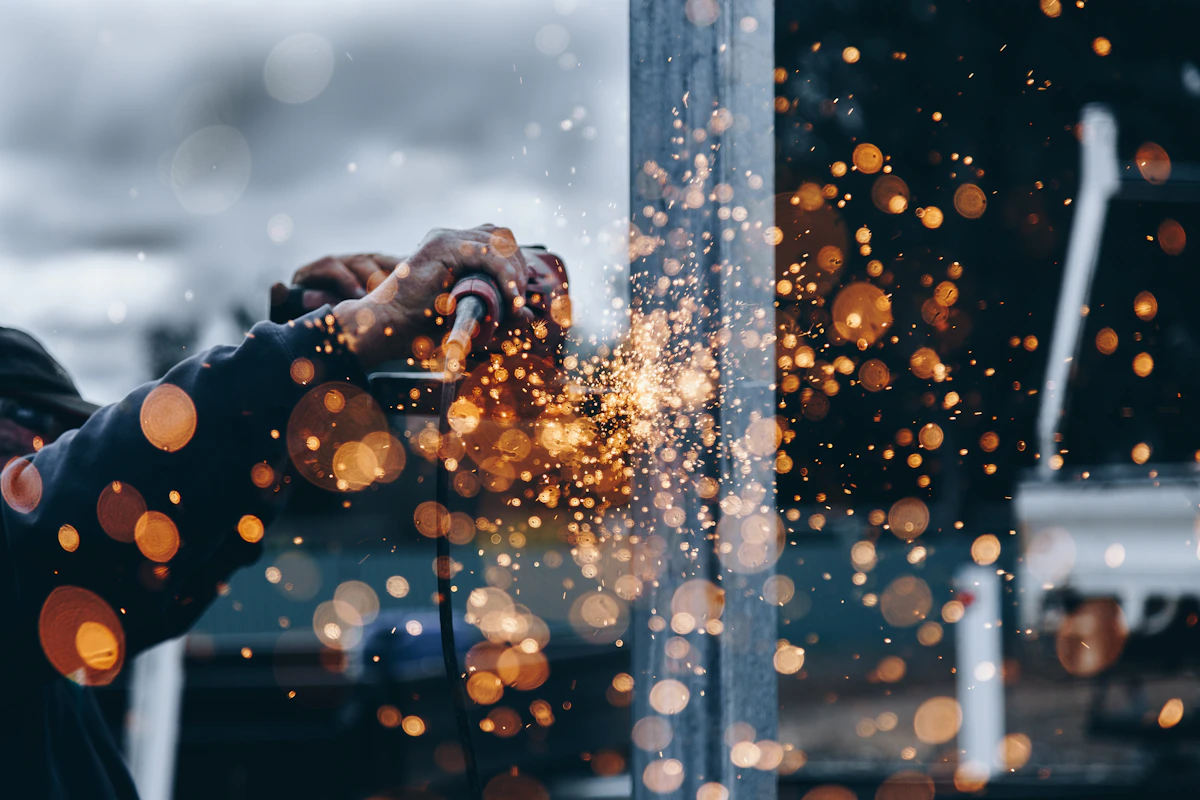
Practical on-site aluminum welding for trailers, gates, railings, and light fabrication in Charlotte.
mobile aluminum welding near me is a common search for boat owners, contractors, and property managers in Charlotte who need aluminum repaired without moving large equipment. Mobile aluminum work is practical for trailers, gates, railings, and light fabrication when a shop visit is difficult. However, there are important limits and preparation steps to understand before you call.
When to look for mobile aluminum welding near me
Consider mobile aluminum welding when the item is large, heavy, or fixed in place: trailers too heavy to load, aluminum gates, in-place railings, boat frames on a trailer, or HVAC housings. Mobile welding can save time and disruption, but it’s not always the right solution for every aluminum problem.
Good candidates for on-site aluminum work
- Aluminum trailer frame cracks or broken welds where towing to a shop is impractical.
- Hinges, latches, or sections of aluminum gates and fences needing localized weld repair.
- Light structural repairs on railings or stairs where scope and load are limited.
- Small fabrication adjustments, brackets, or gussets added to an existing structure.
When a shop visit or engineering review is wiser
- Large, full-frame rebuilds or unknown alloy welds that require controlled fixtures.
- Load-bearing structural repairs where stamped engineering approval or inspection is required.
- Parts that need post-weld heat treatment or precision straightening.
How mobile aluminum welding is done on-site
On-site aluminum welding commonly uses TIG or pulsed MIG with a spool gun, depending on thickness and access. The tech brings a generator, welding machine, filler rods or wire, grinders, and fume control. Surface prep — removing paint, corrosion, and contamination — is critical and often takes longer than the weld itself.
Typical equipment taken to the job
- Engine-driven welder or inverter capable of TIG and MIG processes.
- Spool gun or push-pull feeder for aluminum wire feedability.
- Wire brushes dedicated to aluminum, grinders, and flap discs.
- Portable lighting, clamps, and heat sinks or chill bars.
- Small generator and proper fuel for remote locations.
Preparing the site and the metal
Preparation improves outcomes and reduces on-site time. Clear the work area of vehicles and obstructions. Provide safe access and stable footing. If the item is on a trailer, secure the trailer and chock the wheels. Remove rust inhibitors, oil, and paint from the weld area back to clean metal.
Tip: For aluminum, clean only with a dedicated stainless or brass brush and acetone or isopropyl alcohol. Because steel brushes or contaminated solvents will introduce iron, they can cause premature corrosion or weak welds.
Materials and alloys: what matters
Aluminum comes in many alloys (5052, 6061, 3003, etc.) and each behaves differently when heated. The repair method, filler material (4043, 5356), and welding settings depend on alloy and thickness. A visual inspection can indicate common alloys, but sometimes removal and testing are required to confirm the right approach.
For example: 5052 marine-grade sheet is common on small boat components and repairs well with 5356 filler, while structural 6061 extrusions often require different filler and care to avoid cracking.
Safety and site considerations
Mobile aluminum welding has safety challenges: bright arc light, fumes, hot metal, and fire risk. Ensure a clear perimeter, remove flammable materials, and provide adequate ventilation. If the work is near suspensions, fuel tanks, or electrical equipment, full disclosure before the visit helps the tech bring appropriate PPE and tools.
Warning: Never assume an item is safe to weld without inspection — hidden fuels, pressurized lines, or coatings can be hazardous.
Common repairs and realistic outcomes
Common mobile aluminum jobs include repairing trailer frame cracks, welding broken hinge brackets on gates, fixing rail attachments, and patching thin-sheet areas. Mobile welding can often restore function, but results depend on alloy, extent of corrosion, and access. Therefore, some repairs are best treated as temporary until a full shop rebuild or engineering-approved fix can be completed.
Examples of on-site scenarios
- Example: A trailer tongue crack: localized grinding, weld reinforcement, and post-weld inspection can restore use, but a full-frame inspection is recommended to rule out other hidden damage.
- Example: An aluminum gate hinge tab that broke: replacing the tab and reattaching with a welded gusset is often practical on-site if the gate can be safely supported.
Maintenance and follow-up
After any aluminum repair, protect exposed metal with a suitable primer and paint or corrosion-inhibiting coating. In addition, advise routine checks at welded joints, especially on trailers and gates that see vibration or seasonal corrosion. If a repair is near a structural member, arrange periodic inspections or engineering review as needed.
How to choose a mobile aluminum welder
Ask about process experience with aluminum, the types of filler and equipment used, and whether they perform on-site fit-up and post-weld finishing. Request a clear on-site assessment and a written scope rather than a fixed price for complex or unknown work. For larger structural jobs, ask whether they recommend an engineering review.
Learn more about specific offerings on our mobile welding services page, and visit the CLT Mobile Weld Repair homepage for general information.
When to call CLT Mobile Weld Repair
Contact CLT Mobile Weld Repair when you need informed onsite evaluation for trailers, gates, railings, or light structural aluminum repairs in Charlotte and surrounding areas. We can discuss likely processes, access needs, and a practical plan, and we will inspect before committing to a repair scope or price.
Contact CLT Mobile Weld Repair
Bringing the repair to your site often saves time and logistics, but good outcomes depend on proper prep, correct filler and process selection, and realistic expectations about what can be achieved without a shop. If you have questions about aluminum trailer framing, gate repair, or on-site fabrication, call for an assessment so work can be planned safely and effectively.
