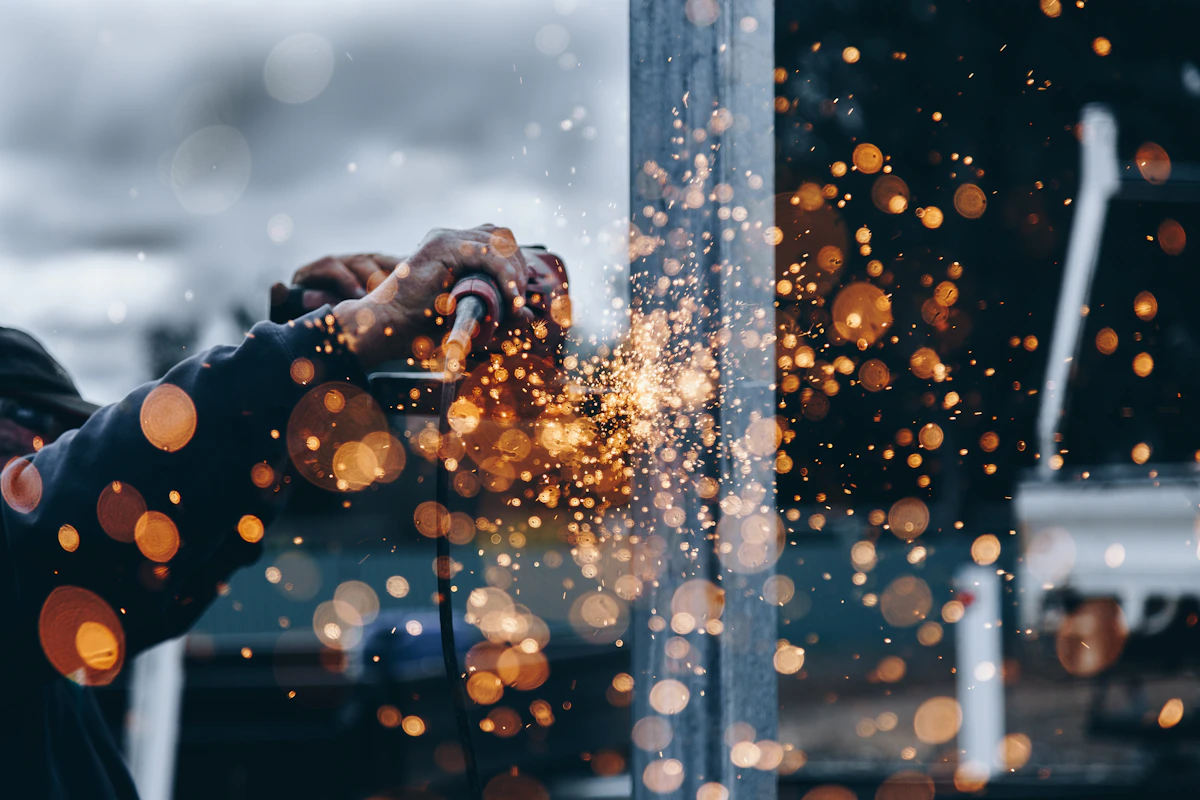
Practical guidance on onsite welding for property owners, drivers, and contractors in Charlotte—what to prepare, materials, safety, and realistic expectations.
onsite welding is a practical service when a broken gate, trailer frame, railing, or structural fitment needs repair without moving heavy equipment. At CLT Mobile Weld Repair we explain what to expect, how to prepare, and the common tradeoffs so you can decide whether to request a visit for jobs around Charlotte and nearby areas.
When onsite welding makes sense
Onsite welding is useful when the item is too large or heavy to transport, when immediate stabilization is needed to keep a site safe, or when access to shop fabrication isn’t practical. Examples: a loading-dock railing that’s loose, a trailer leaf-spring bracket cracked on the roadside, or a commercial gate hinge that’s failing.
What we evaluate before starting work
- Condition and accessibility of the damaged area — can we reach the weld without cutting or moving other components?
- Material type — mild steel, stainless, aluminum, or painted/coated surfaces change prep and filler selection.
- Load and safety implications — is the part structural or cosmetic? Structural pieces may need engineering sign-off.
- Site constraints — space, weather, combustibles, and local codes can affect whether the repair is safe or permitted.
Preparing for a visit
Preparing the work area speeds repair and reduces cost. Before you call, consider these steps:
- Clear around the damaged part so the technician can park a service truck and set up gear safely.
- Move nearby vehicles or equipment and cover any sensitive electronics or finishes from sparks.
- Unlock gates, provide keys, or have an on-site contact available to show where the problem is located.
- Identify the material if known (e.g., steel trailer frame, aluminum handrail) and note any coatings or previous repairs.
Common onsite welding methods and equipment
Mobile technicians typically carry compact, versatile gear tuned for field work. Typical methods include MIG for general steel repairs, flux-cored arc welding where wind is a factor, and TIG when thin aluminum or stainless requires precise control. Oxy-acetylene might be used for cutting or heating, but most load-bearing repairs rely on arc processes.
Typical mobile setup
- Truck- or trailer-mounted generator and inverter welder
- Grinders, cutting tools, and clamps sized for field use
- Basic filler rods and wire for common alloys
- Personal protective equipment and fire suppression tools for safety
Materials, repair options, and tradeoffs
Choice of filler and technique depends on the base metal and how the part carries load. For example:
- Steel trailer frame: often repaired with welded plate reinforcement or replacement of a bracket; thicker welds add strength but can introduce distortion if not set up and fixtured properly.
- Aluminum railings: require TIG or specialized wire and careful heat control to avoid weakening the parent metal.
- Small cast parts or galvanized steel may need alternative fixes like mechanical fastening or replacement because welding can be unpredictable.
Tradeoffs: a quick field patch can restore function, but a full shop repair often allows better fit-up, cleaner welds, and post-weld treatments. We’ll explain options and recommend the safest approach; some jobs benefit from removal and fabrication in a controlled shop environment.
Safety, permits, and code considerations
Field welding brings extra safety steps. Expect the technician to set up fire watches, use welding screens where needed, and protect nearby surfaces. In many cases, local permits or building/structural approvals are outside the scope of a mobile repair and may be required for permanent structural work. We never promise code compliance or engineering approval without the proper documentation and inspections.
How pricing and quotes generally work
Mobile repairs typically include travel, set-up time, and on-site labor. Material costs are added when parts or consumables are needed. Because damage can hide complications, we provide estimates and explain what’s covered rather than fixed prices without inspection. When appropriate, we can offer an initial site estimate and follow with a written quote after inspection.
What to ask when you call
- Describe the damaged part and whether the item is load-bearing.
- Tell us the material (if known) and any recent repairs or modifications.
- Share access details, constraints, and whether electricity is available on site.
- Request photos — clear images of the failure area and the surrounding structure help speed an accurate estimate.
Realistic examples (for illustration)
- Example: A delivery trailer with a cracked A-frame bracket — on-site reinforcement and temporary bracing can get the trailer home, but full replacement in a shop may be recommended later.
- Example: A commercial gate hinge torn from a post — a field repair can restore function that day; if the post itself is compromised, a permanent fix might involve post replacement and concrete work.
These are examples only; we can’t promise a repair’s outcome without seeing the damage.
When to contact CLT Mobile Weld Repair
Contact us when moving the item isn’t practical, when a prompt on-site stabilization is needed for safety, or when you want an experienced technician to assess repair vs. replacement options. We’ll explain available methods, necessary preparations, and any potential need for shop work or third-party approvals.
Contact CLT Mobile Weld Repair
If you want to prepare before we arrive, photos, a clear workspace, and material notes help us diagnose the situation faster. We focus on practical, safe solutions—your technician will review options and next steps after inspection so you can make an informed choice.
