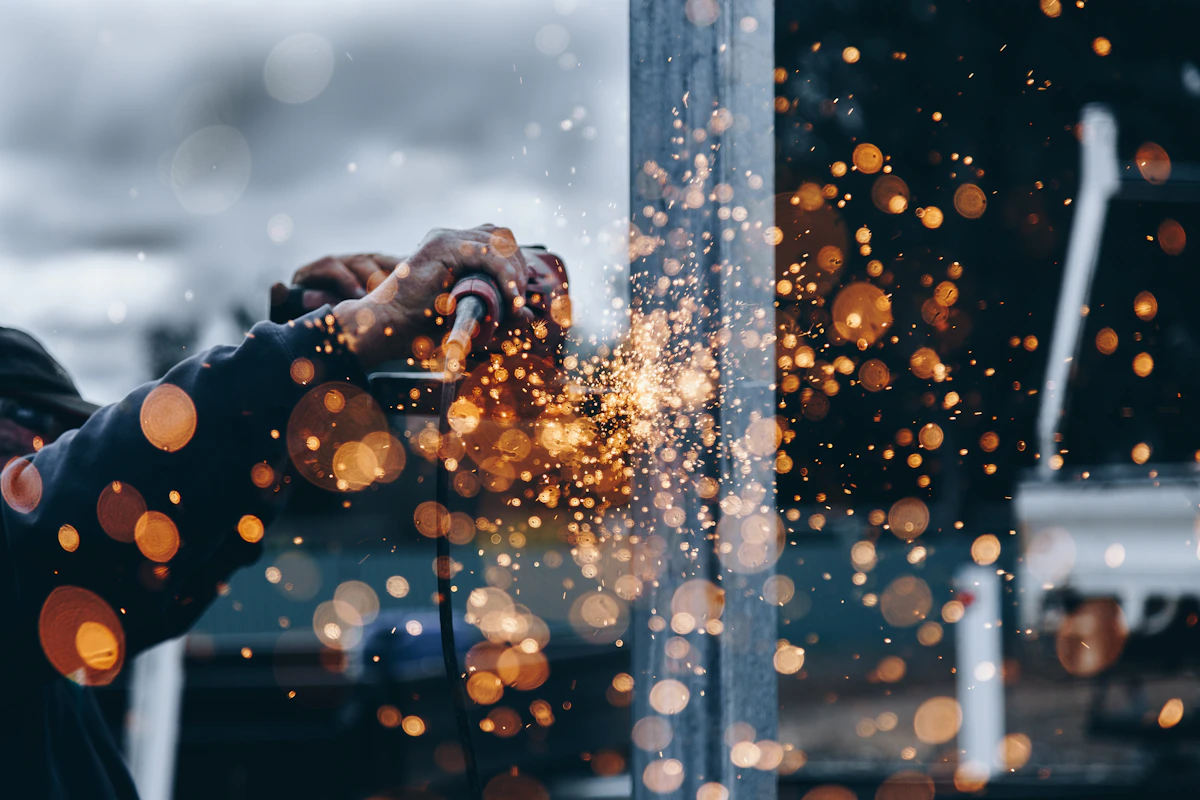
On-site portable welding service for trailers, gates, railings, vehicles, and light commercial metalwork in Charlotte.
If you need metalwork done at your property — a trailer hinge welded, a gate reattached, or a railing patched — a portable welding service brings the shop to you. CLT Mobile Weld Repair serves Charlotte and the surrounding area with on-site fabrication and repairs for vehicles, trailers, fences, railings, and light structural metalwork.
When to call a portable welding service
Call when moving the damaged item is impractical, when downtime matters, or when the repair is localized and does not need a full shop setup. For example, consider a trailer coupler crack, a bent support arm on a commercial rack, a detached gate hinge, or a broken handrail. These are examples — every job needs inspection to confirm feasibility and safety.
What a portable welding service brings to your site
On-site welding setups vary. Typically, a mobile welder will bring:
- Power sources: inverter welders or generators sized for MIG, TIG, or Stick work.
- Gas and filler: shielding gas and common filler rods and wire for mild steel, stainless, or aluminum when needed.
- Cutting and prep tools: grinders, cutting torches, and clamps for fit-up.
- Safety gear: welding curtains, fire blankets, extinguishers, and PPE.
- Basic fabrication tools: portable pipe benders, drill options, and measuring instruments.
Tradeoffs to know
- Portability limits heavy fabrication: mobile units handle most repairs but not large presses or heavy plate rolling.
- Generator power can limit continuous TIG or high-amperage jobs; therefore some work may still need a shop visit.
- On-site repairs often focus on restoring function and safety; cosmetically perfect bench finishes may require removal and shop work.
How to prepare before we arrive
Preparing the site speeds repairs and reduces costs. First, share these details when you call:
- Describe the problem: where the break or bend is, when it happened, and any load or safety concerns.
- Send photos: clear pictures from a few angles help estimate tools and materials needed.
- Clear access: ensure 3–6 feet around the work area, remove flammable items, and provide safe footing.
- Power and lighting: tell us if on-site power is available; otherwise a generator may be used.
- Vehicle/trailer position: park trailers on level ground, chock wheels, and place vehicles in park with keys available if necessary.
Common materials, techniques, and realistic outcomes
Understanding materials sets realistic expectations. In addition, it helps decide which tools and filler metals are required:
- Mild steel: most common for trailers, gates, and railings; readily welded with MIG or Stick.
- Stainless steel: used for handrails and food-service fixtures; it needs proper filler and shielding to avoid contamination.
- Aluminum: lighter but requires AC TIG or specialized MIG and careful joint prep.
Typical portable repairs include tack-up and full-penetration welds, patching holes, adding gussets for reinforcement, and replacing small components like pins, brackets, or hinges. However, in some cases parts are better replaced than rebuilt; a qualified technician will explain tradeoffs after inspection.
Safety, permits, and structural considerations
Safety is a top priority. On-site welding produces sparks, fumes, and hot metal. We follow safe work practices, but customers should note:
- Fire risk: remove flammable materials, and if the item is attached to a building, get approval before welding near siding or wood.
- Confined space and fall hazards: repairs on elevated platforms or inside tanks need special precautions; some confined-space work may require a shop or a coordinated safety plan.
- Permits and codes: local codes and engineering requirements vary. Structural or code-regulated repairs may require engineering approval or permits; we can help identify when an inspection is advisable but cannot substitute for engineering or code enforcement.
Scheduling, estimates, and what to expect on arrival
Expect an initial conversation, photo review, and an on-site inspection before a firm cost estimate. Estimates on-site are based on materials, labor, access, and complexity. Because conditions vary, prices quoted without inspection are provisional. Next, plan for the on-site visit to include:
- Arrival and safety briefing.
- Visual inspection and measurement.
- Discussion of options and a recommended approach.
- Repair, if agreed and safe to proceed, or scheduling for a follow-up shop visit if needed.
We do not guarantee emergency availability, fixed pricing without inspection, or engineering approval as part of a standard service call.
Maintenance tips after an on-site repair
- Inspect frequently: check repaired joints after a few uses and again at 30 days to detect loosening or fatigue.
- Protect metal: prime and paint or apply rust inhibitors to welded areas on mild steel to extend life.
- Keep moving parts lubed: hinges and pins benefit from periodic lubrication and inspection.
These steps help the repair last longer and reduce the chance of repeat failures.
Conclusion: Is a portable welding service right for you?
If downtime, transportation difficulty, or localized damage are your main concerns, on-site welding is often the practical choice. Before you request a visit, gather clear photos, describe access and safety constraints, and be ready for a short inspection to determine the right approach. CLT Mobile Weld Repair can assess repairs for trailers, gates, railings, and many commercial metalwork needs in the Charlotte area, then explain options and tradeoffs clearly.
