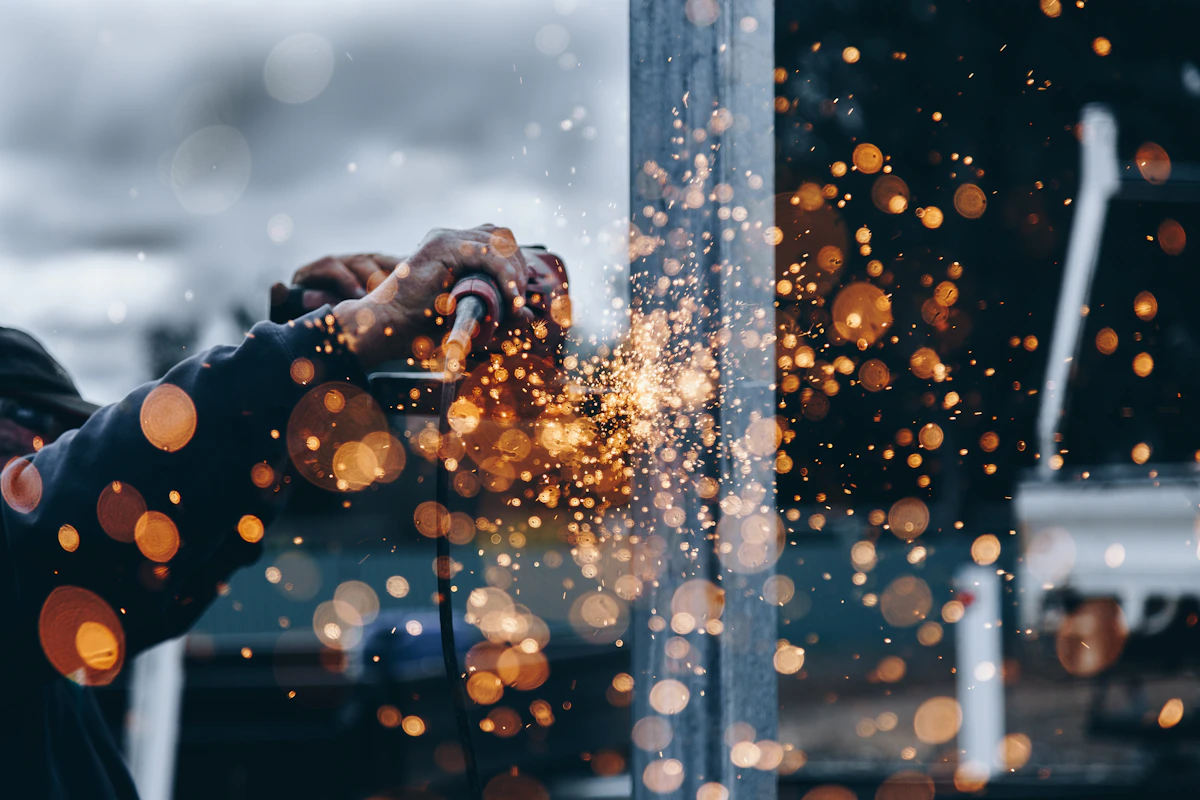
What to expect from welding mobile service in Charlotte—prep, materials, safety, and when to call CLT Mobile Weld Repair.
welding mobile service brings the shop to your driveway, jobsite, or business lot. At CLT Mobile Weld Repair, serving Charlotte, North Carolina and surrounding areas, we focus on practical, safe fixes for trailers, gates, railings, equipment frames, and light structural metalwork. This guide explains how mobile welding works, how to prepare, what materials and equipment are typical, and when it's appropriate to request an on-site inspection.
How to prepare for welding mobile service
Preparing the work area helps the tech work safely and keeps your callout efficient. You don't need to have everything perfect, but these steps make a difference:
- Clear the area. Remove vehicles, loose debris, and anything that can obstruct access to the repair.
- Mark or show the problem. If it's a broken trailer tongue, bent gate hinge, or a cracked railing, point it out so the technician can see the full scope quickly.
- Provide access. If the location is inside a locked yard or building, arrange access or provide instructions.
- Expect sparks and heat. Move combustibles, propane tanks, and chemicals away from the work zone. If hot work permits are required by a property manager or local ordinance, have those in place before service.
- Ask about power and lighting. Most truck-mounted setups carry generators and lights, but confirming access to power can speed work and reduce noise from onboard generators.
What welding mobile technicians bring and use
Mobile welders arrive with portable equipment designed for field conditions. Typical items include:
- Truck- or trailer-mounted welding machine (MIG/flux-core, stick, or TIG depending on the metal).
- Portable generator and work lights when shore power isn't available.
- Cutting tools (plasma cutter, cutoff wheels) for preparation and removal of damaged sections.
- Clamps, jigs, and small fabrication tools to align parts and fit repairs on-site.
- Personal protective equipment and fire suppression gear for safe hot work.
For heavier fabrication or controlled-quality TIG welds on stainless and aluminum, technicians may recommend transporting a component to a shop or arranging a follow-up visit with specialized equipment.
Common materials and how they're handled
- Mild steel — the most common; welded with flux-core or MIG for field repairs.
- Stainless steel — may require TIG or specialized filler; often needs more cleanup to prevent corrosion.
- Aluminum — harder to weld in the field; heat control and clean joint prep are critical.
Example: a trailer crossmember crack on mild steel is often repaired by grinding back to sound metal, reinforcing with a properly sized plate, and welding continuous or staggered seams to restore strength.
Safety, permits, and structural considerations for welding mobile work
Safety is the top priority. Mobile welding is hot work and can create sparks, fumes, and heavy lifting hazards. Before any job, technicians will assess fire risks and may require a responsible party to monitor for sparks or provide a fire extinguisher.
Structurally important repairs—load-bearing beams, major trailer axles, or railings on a public walkway—should be evaluated carefully. Mobile welding can often restore function, but we never promise structural adequacy without inspection and, when required, engineering approval or code review.
When an inspection or additional approvals are needed
- Repairs affecting building safety, building code compliance, or occupancy.
- Modifications to vehicle frames or trailer suspensions that could change rated capacity.
- Work requiring hot work permits in commercial or municipal properties.
When in doubt, schedule a visit so we can document the condition and recommend next steps. A site inspection is the only way to provide an informed estimate and identify any permit needs.
Typical on-site process and time expectations for welding mobile repairs
On arrival, the technician will inspect the problem, discuss options, and provide a verbal estimate or written quote. Typical steps include:
- Assess and document the damage.
- Prepare the joint: clean, remove rust/paint where necessary, and fit parts.
- Weld and cool, then grind or finish as requested.
- Test fit or load check where safe and practical.
Smaller repairs (broken brackets, small cracks) may take under an hour. Larger replacements, realignment of structural members, or jobs that require removal of parts can take several hours or require shop work.
Maintenance tips after a mobile weld repair
- Protect exposed metal. Paint, primer, or galvanizing can prevent corrosion after welding.
- Recheck fasteners. Vibration-prone areas like trailers will need follow-up checks for bolts and weld fatigue.
- Schedule preventive inspections. For commercial equipment, periodic checks extend life and catch small cracks before they grow.
Deciding when to call CLT Mobile Weld Repair for welding mobile work
Call us if you have broken trailer frames, damaged gates or hinges, railing cracks, equipment frames that need reinforcement, or any metal job where moving the item would be costly or unsafe. We can often do effective on-site repairs, but we will always be clear about limits and whether shop work, engineering, or permits are needed.
Key reminder: We cannot guarantee a repair or quote without inspecting the part. Emergency availability, code approvals, and fixed pricing require direct confirmation.
Contact CLT Mobile Weld Repair
If you’re in Charlotte or nearby and wondering whether a job is suitable for mobile service, call to describe the issue and send photos. Photos help us triage the problem and suggest whether a quick field fix, a scheduled site visit, or shop work is most appropriate.
Mobile welding brings convenience, but good outcomes depend on clear communication, proper prep, and realistic expectations. When you need practical guidance or an on-site inspection, CLT Mobile Weld Repair can help evaluate options and provide a safe, professional approach to metal repair.
